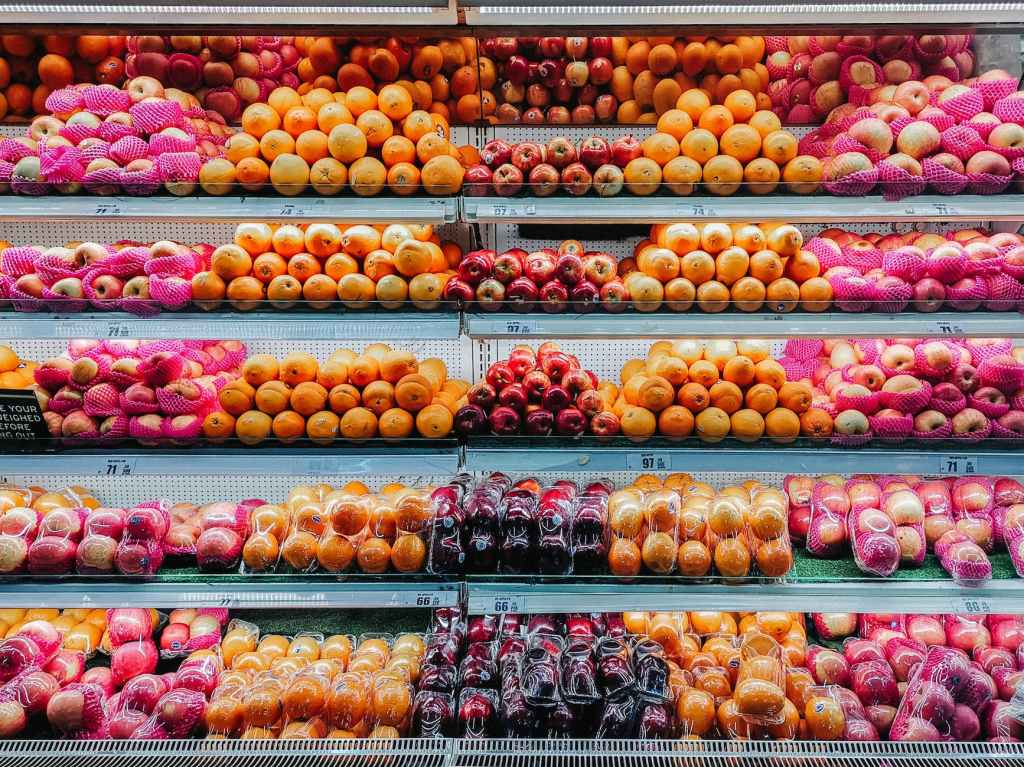
In today’s consumer-driven society, the emphasis on appearance and perfection has seeped into every aspect of our lives, including the way we shop for groceries. Walk into any supermarket, and you’ll find rows of impeccably arranged fruits and vegetables, glistening under bright lights, seemingly flawless in every way. But have we become so fixated on aesthetics that we are wasting an alarming amount of food unnecessarily? This blog explores the implications of our obsession with flawless produce and the need for a paradigm shift in our perception.
The Allure of Spotless Produce:
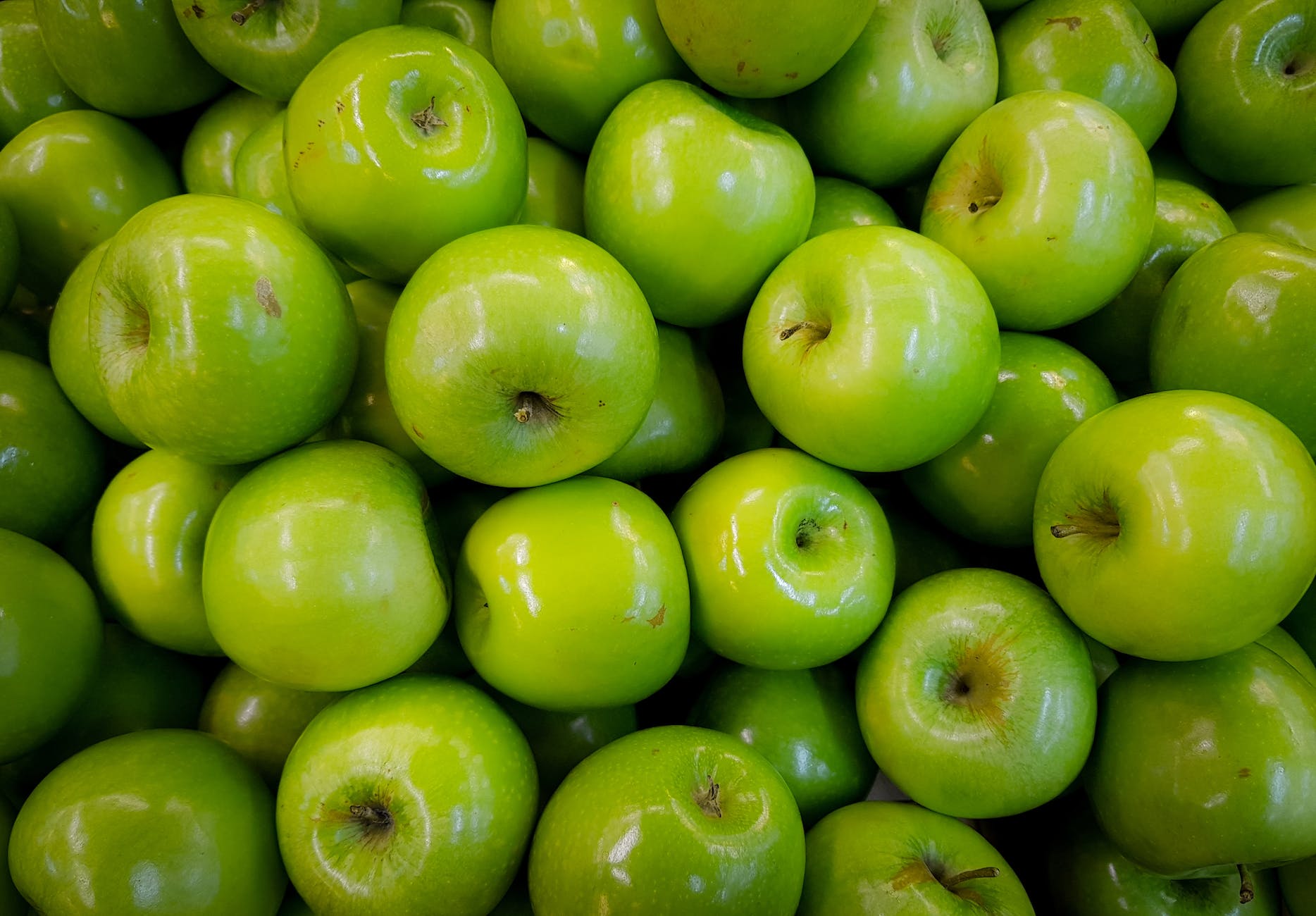
The presentation of fruits and vegetables in supermarkets is designed to appeal to our visual senses. Shiny, blemish-free apples, radiant tomatoes without a single spot, and perfectly shaped bananas grab our attention and entice us to make a purchase. Supermarkets employ various techniques, including wax coatings and special lighting, to enhance the appearance of produce. However, the reality is that these cosmetic treatments often have little to do with the quality or taste of the fruits and vegetables we consume.
The Impact of Perfectionism:
Our insistence on flawless produce has profound implications for food waste. Farmers and suppliers are under immense pressure to meet consumer demands for unblemished fruits and vegetables. This pressure leads to the discarding of large quantities of perfectly edible food solely based on cosmetic imperfections. According to the Food and Agriculture Organization (FAO) of the United Nations, an estimated 1.3 billion tons of food are wasted globally each year, and a significant portion of this waste is attributed to strict cosmetic standards.
Overlooking the True Value:
In our pursuit of spotless produce, we often overlook the true value of fruits and vegetables. An apple with a small bruise or a carrot with an irregular shape may not look picture-perfect, but they still offer the same nutritional benefits and taste. By focusing solely on external appearance, we miss out on the opportunity to support sustainable farming practices, reduce food waste, and embrace the natural diversity of our food.
Redefining Our Standards:
It is crucial for us, as a society, to redefine our standards when it comes to fruits and vegetables. Educating consumers about the true meaning of quality can go a long way in reducing food waste. Embracing imperfect produce not only helps to minimize waste but also supports local farmers who often face financial losses due to stringent cosmetic requirements imposed by retailers.
Changing the Supermarket Narrative:
Supermarkets play a significant role in shaping consumer perceptions. By offering a wider range of produce that includes “ugly” fruits and vegetables, supermarkets can encourage customers to choose based on taste and nutritional value rather than appearance alone. Implementing initiatives such as discounted “imperfect” produce sections or partnerships with local farmers can further reduce food waste and foster a more inclusive approach to grocery shopping.
Celebrating Imperfection:
It’s time we celebrate the natural imperfections in our food. Let’s remember that those small spots, blemishes, and uneven shapes are a testament to the authenticity and uniqueness of each fruit and vegetable. By embracing imperfection, we not only make a positive impact on the environment but also challenge the societal notion that flawlessness equates to value.
Final Thought:
In our quest for spotless fruits and vegetables, we have unintentionally contributed to an alarming amount of food waste. However, it’s not too late to change our habits. By reevaluating our standards, supporting sustainable farming practices, and celebrating the diversity of our produce, we can reduce waste and cultivate a more conscious approach to grocery shopping. Let’s shift our focus from flawless appearance to taste, nutrition, and the sustainable future of our planet.

 Light Hearted
Leave a comment