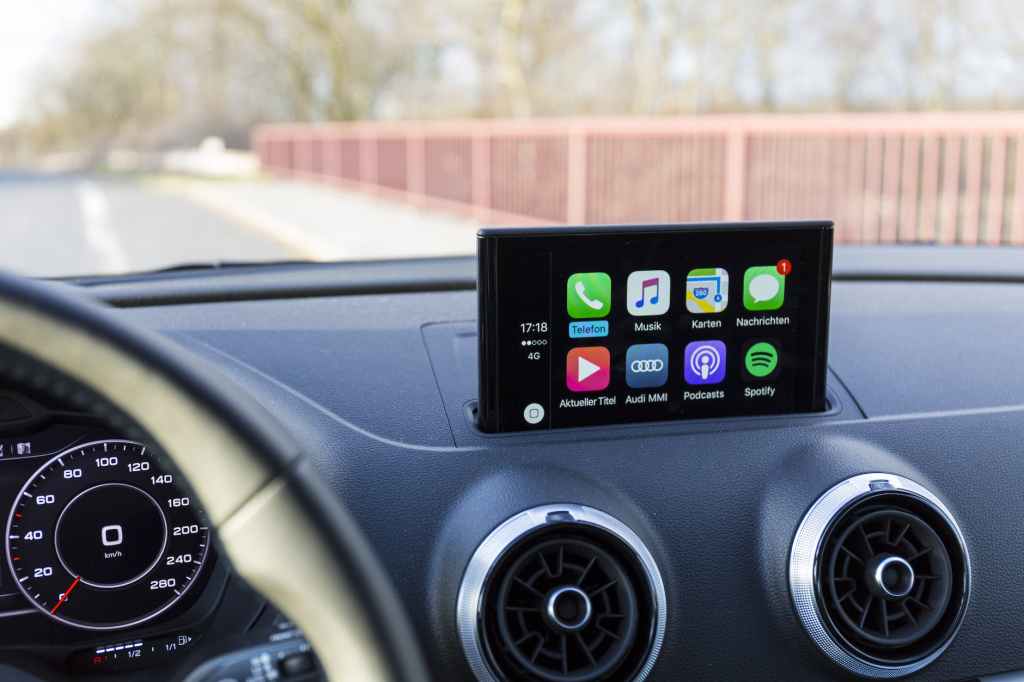
In the age of advanced technology, our vehicles have transformed into mobile command centers, brimming with sensors and cameras that guide us through the intricate dance of modern traffic. Last week, as I maneuvered my trusty big truck out of a bustling Costco parking lot, I encountered a situation that made me ponder the delicate balance between relying on technology and reverting to traditional driving skills.
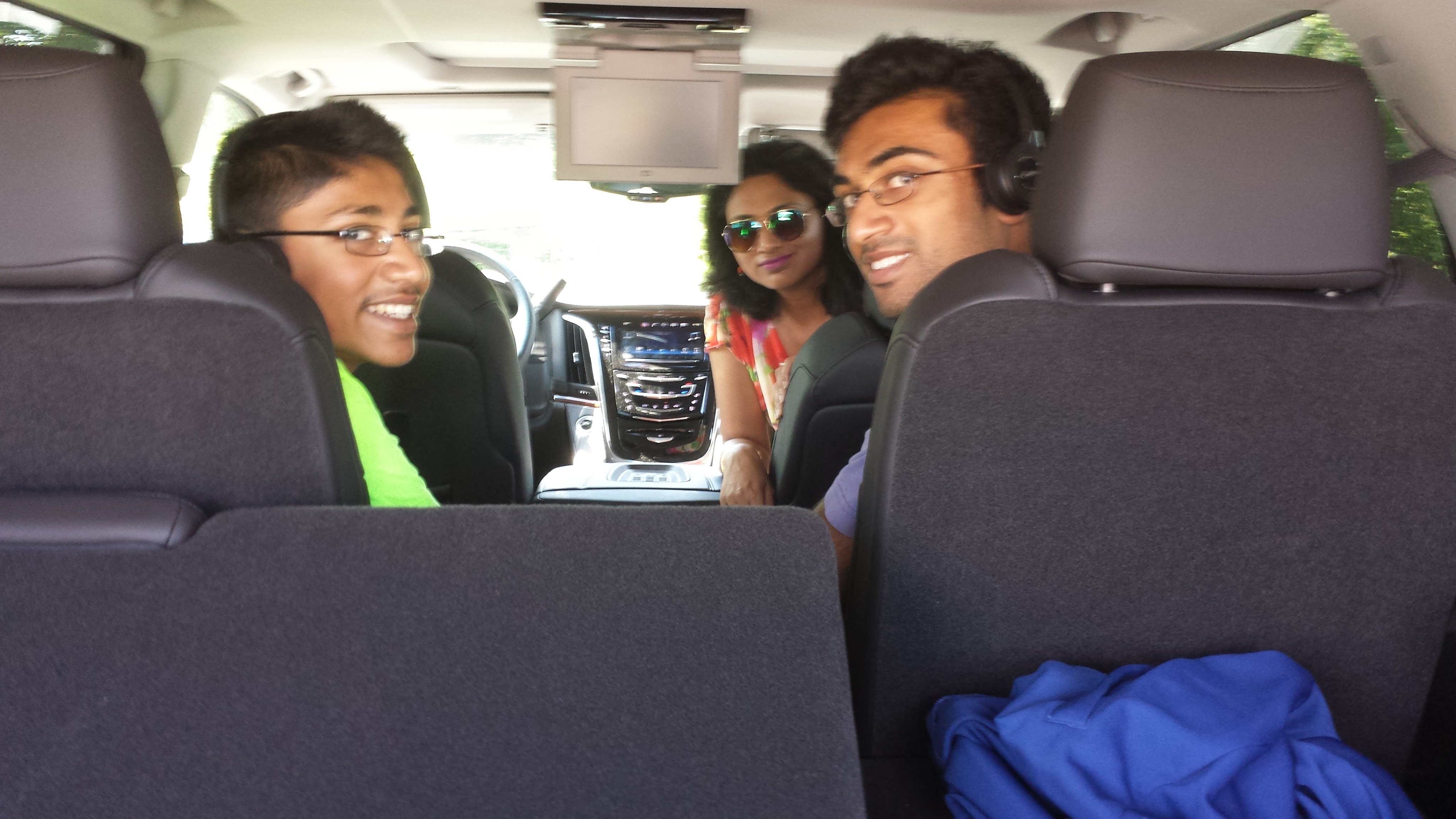
Having become accustomed to the reassuring presence of backup and front cameras, I was taken aback when they suddenly ceased to function. In an instant, I found myself grappling with the reality that I needed to resort to my older, more ingrained methods of checking my surroundings. Panic, uncertainty, and the ticking clock of impatience gripped me as I gingerly inched my way out of the parking spot, my gaze darting between mirrors and windows.
This experience served as a stark reminder of just how deeply technology has woven itself into the fabric of our driving habits. Our vehicles, once steel-and-engine contraptions, are now equipped with an array of sensors and systems that border on the futuristic. But when these technologies falter, as they inevitably can, we’re faced with a sudden void that we must fill with the skills that generations of drivers relied upon before us.
What struck me most was the realization that our journey towards autonomous vehicles might not be as smooth as we hope. As we envision a future where cars can navigate themselves, we must also consider the unpredictable hiccups that can arise. A glitch in the system, an unexpected obstacle, or an unprecedented scenario might demand us to step back into the driver’s seat, both literally and metaphorically.
It’s evident that our transition to autonomous vehicles needs to be a cautious one. While the allure of hands-free driving and efficient traffic management is undeniable, we must tread carefully. Redundancies, fail-safe mechanisms, and comprehensive testing are essential to prevent a singular technological hiccup from turning into a catastrophe. A single incident can have far-reaching consequences, affecting not only individuals but families and communities.
Our reliance on technology is not inherently negative. Sensors and cameras save lives, making our roads safer and reducing accidents. But it’s vital that we don’t let this reliance blind us to the value of traditional driving skills. The ability to assess a situation, anticipate potential hazards, and make quick decisions based on experience is a timeless skill that should not be overshadowed.
As we pave the way for the autonomous future, let’s remember that caution and patience are our companions on this journey. We must celebrate the progress we’ve made while acknowledging that perfection is still on the horizon. Building a collaborative ecosystem involving manufacturers, regulators, and users is essential to ensure that we’re heading in the right direction.
So, as you embark on your next drive, take a moment to appreciate the technology that surrounds you. But also, keep your reflexes sharp, your instincts honed, and your traditional driving skills intact. The road ahead is a fusion of innovation and heritage, and it’s up to us to navigate it with wisdom and care.

 Light Hearted
Leave a comment