As someone who has always cherished music and its profound ability to move hearts and minds, I can’t help but ponder the significance of teaching children to learn music in today’s rapidly evolving world. I’ve always dreamt of playing an instrument in front of an audience or entertaining friends at a small gathering, but the reality is that mastering an instrument demands dedication and effort that often eludes many of us. I deeply respect the artists who devote their lives to the art of music, yet I find myself wondering if learning to play an instrument is still a necessary pursuit in our modern society.
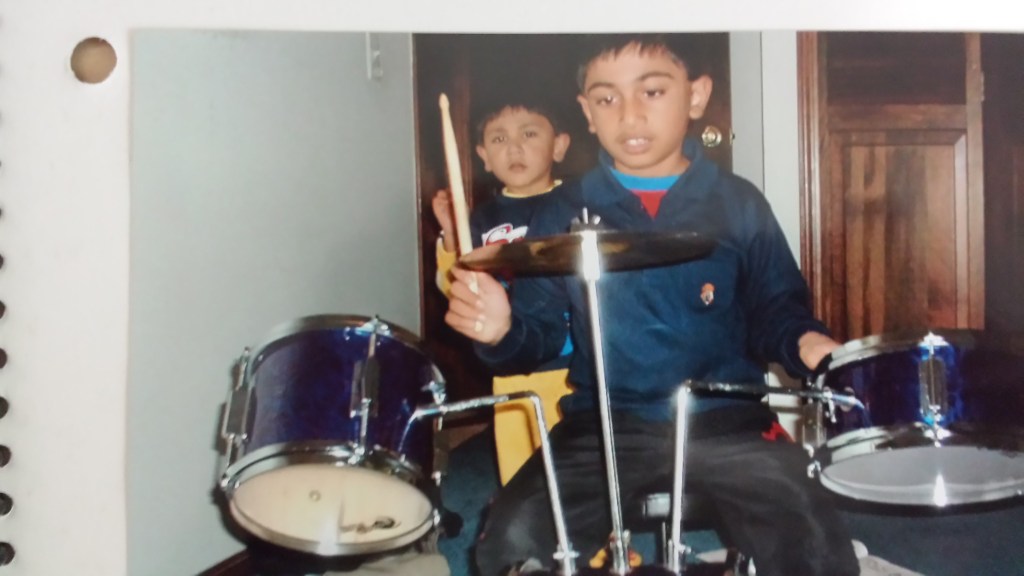
In the United States, instruments have become a near-mandatory part of the school curriculum, with students picking up instruments from middle school onwards and dedicating themselves to daily practice and performance. My own children, Ishan and Akash, are prime examples. Ishan chose the viola and played it from grade 6 to grade 10, while Akash took up the trumpet to be part of a school band, dedicating himself to it for 4-5 years. In addition to their school instruments, we enrolled them in after-school piano lessons, and we even have a piano and keyboard at home. I used to shuttle them to their music lessons every week, hoping that someday they would become independent musicians. Occasionally, they did participate in school choirs and bands, creating beautiful melodies.
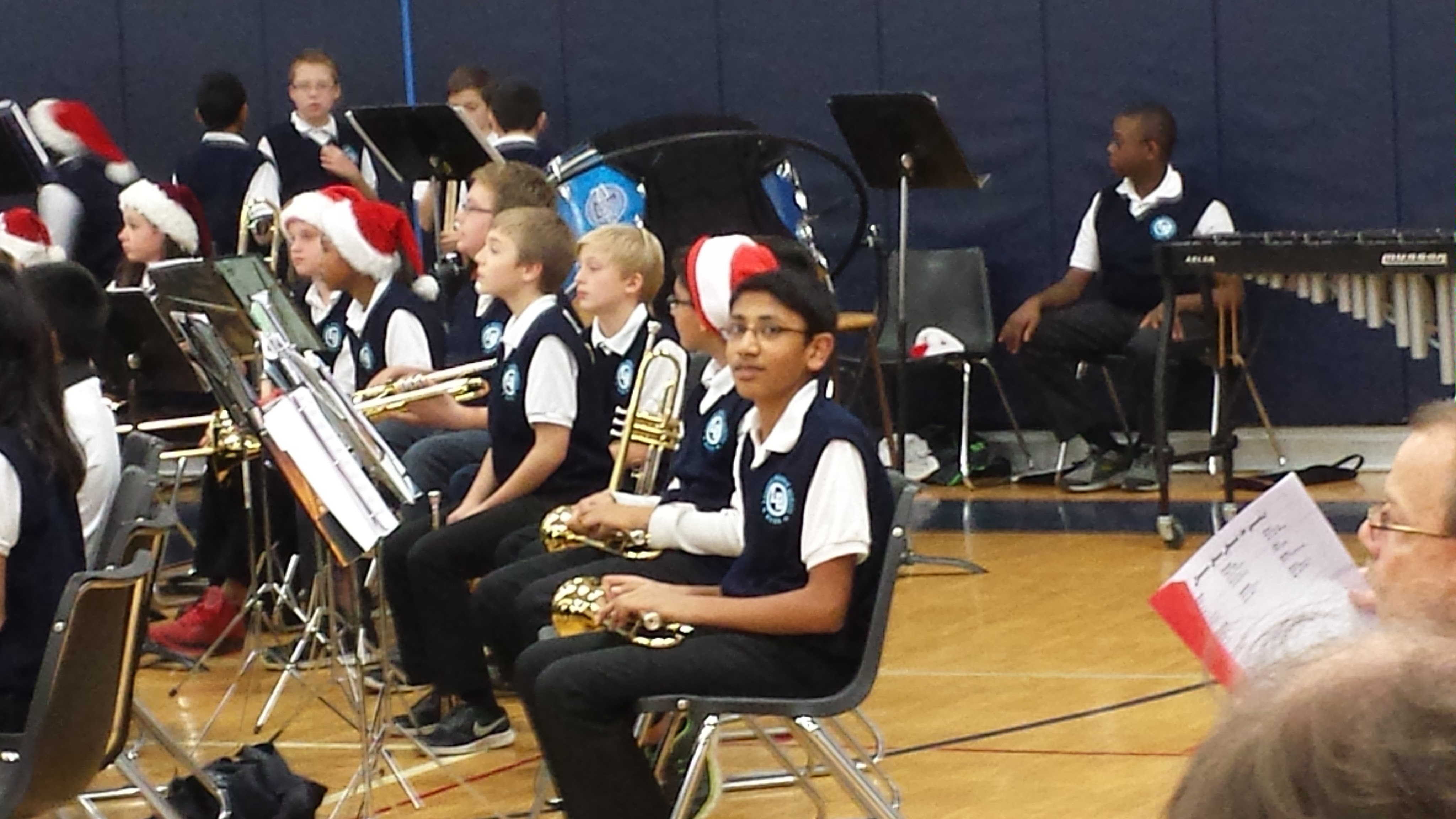
However, as they reached higher grades, their enthusiasm for music waned, and the instruments began gathering dust. Even when they’re at home, they hardly glance at them. This led me to contemplate the value of investing so much time and effort in teaching our children music. How many of them truly embrace music in their adult lives? Will they forget the skills they learned? Or is it possible that their musical background will come in handy later in life as a hobby? These questions swirled in my mind.
Moreover, with the advent of generative AI, one can’t help but wonder if technology will reshape the landscape of music creation. Could we eventually reach a point where machines compose music that rivals human creativity? If so, what does that mean for those who spent years honing their musical skills? Does it make sense for a child to dedicate 4-5 years to learning an instrument when this time could potentially be used to acquire other practical life skills?
These are questions that deserve careful consideration. Should we continue to invest significant time, energy, and resources into teaching our kids music? Ultimately, the decision lies with each parent and child. It’s essential to weigh the potential benefits of music education, such as improved cognitive skills, discipline, and emotional expression, against the time and effort required.
Now, let’s not forget about the age-old debate of whether music can be a lucrative career path. While some individuals go on to become successful musicians, the reality is that the music industry is highly competitive, and success is never guaranteed. For every superstar artist, there are countless musicians who struggle to make a living solely from their craft. It’s a path that demands not only talent but also business acumen and luck. So, parents, if your child’s dream is to become a rockstar, make sure they also have a backup plan—perhaps in accounting, just in case.
In conclusion, the decision to teach kids music in the modern world is a deeply personal one. As parents and educators, we should provide opportunities for children to explore their interests and passions, including music. However, we must also be mindful of the time and energy investment required and consider whether it aligns with our children’s aspirations and talents. Ultimately, it’s up to each family to decide whether the benefits of music education outweigh the potential challenges and whether it is a path they wish to pursue in our ever-evolving world. After all, music is not just about creating melodies; it’s a beautiful way of self-expression and connecting our hearts, and that’s something worth considering, even if it occasionally leads to a house full of dusty instruments waiting for their moment in the spotlight.

 Light Hearted
Leave a comment