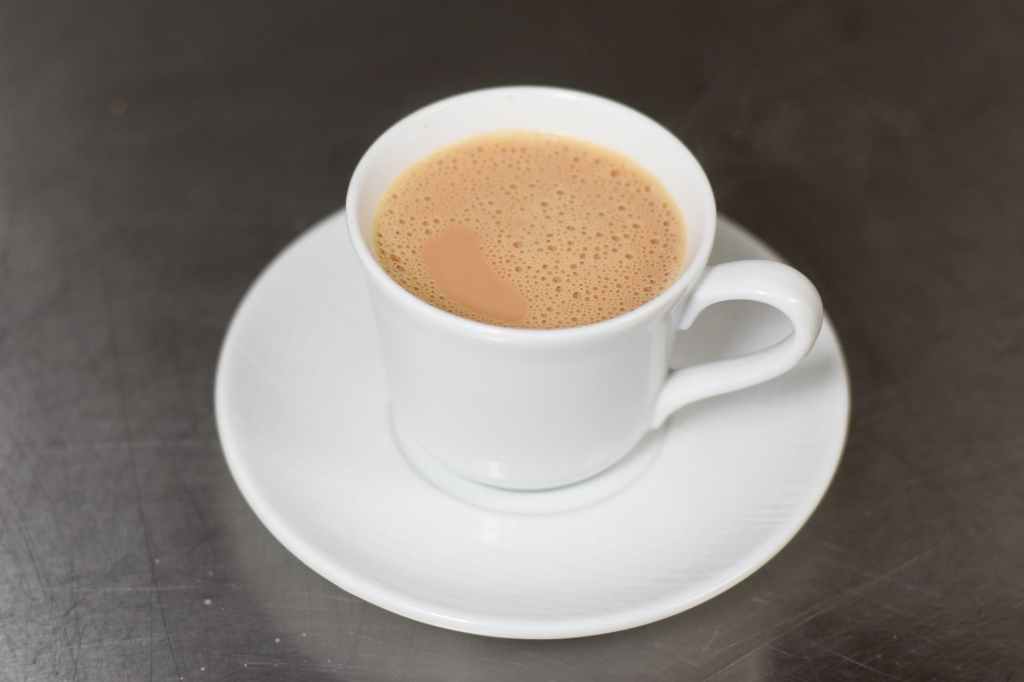
As I sit down to write this, I’m clutching my favorite cup of chai – or as most of the world calls it, tea. It’s fascinating how our tastes evolve over time. Growing in a relatively warmer place, I could never fathom how adults could drink that hot beverage rather than an icy soda. Now, I find myself starting my day with a comforting cup of tea. There’s something about that morning ritual that brings a sense of calm and readiness for the day ahead.
Chai in India is not just a beverage; it’s a ritual, a conversation starter, and an essential part of life. Picture this: a bustling street corner, the aromatic swirl of spices and black tea leaves wafting through the air, and groups of college students huddled around a tea stall, engaging in a bit of gossip or discussing the latest Bollywood and Cricket news.
One of the most iconic images of India is that of the chai wallah, a street vendor expertly brewing tea in a large pot, his nimble fingers adding spices, tea leaves, and milk in perfect harmony. These chai wallahs are the unsung heroes of Indian tea culture, serving a diverse clientele, from laborers to office-goers, with the same warmth and flair. The humble street-side chai stall is where strangers become friends over shared stories and laughter.
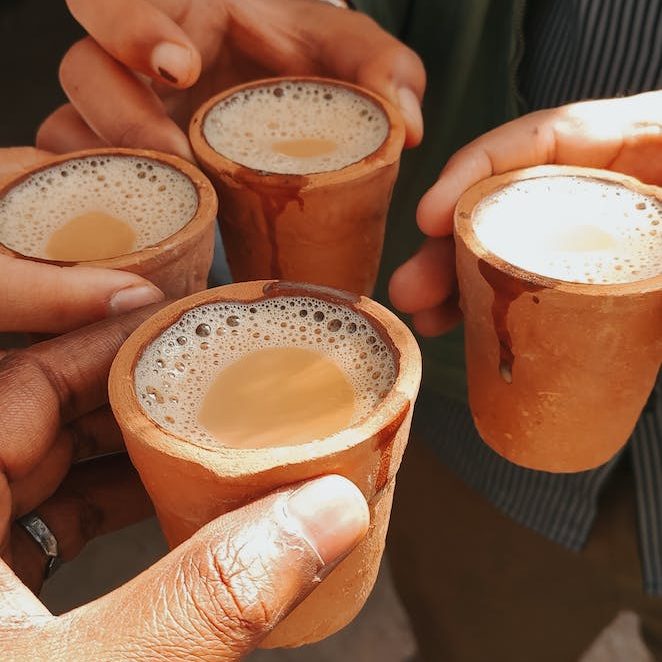
In corporate India, the “chai break” is a sacred tradition. Offices often have designated tea breaks, where colleagues gather to unwind and discuss work and life. It’s a time for bonding and rejuvenation, a brief escape from the demands of the workplace. That, my friends, is the magic of chai in India.
But as much as I adore my chai, I can’t help but wonder about the diverse ways tea is celebrated in cultures worldwide. It’s a bit like embarking on a world tour, one teacup at a time.
China: The Precise Art of Gongfu Tea

China’s Gongfu tea preparation involves steeping high-quality tea leaves in small clay pots or gaiwans. The leaves are steeped multiple times in quick succession, allowing for the full expression of flavors. It’s a meticulous process that requires skill and patience.
Japan: Matcha’s Green Elegance

In Japan, matcha is the star. The powdered green tea is whisked into hot water using a bamboo whisk, creating a frothy and vibrant green concoction. It’s a serene and precise ritual that celebrates the simplicity and beauty of the tea.
Turkey: Turkish Çay in Tulip Glasses
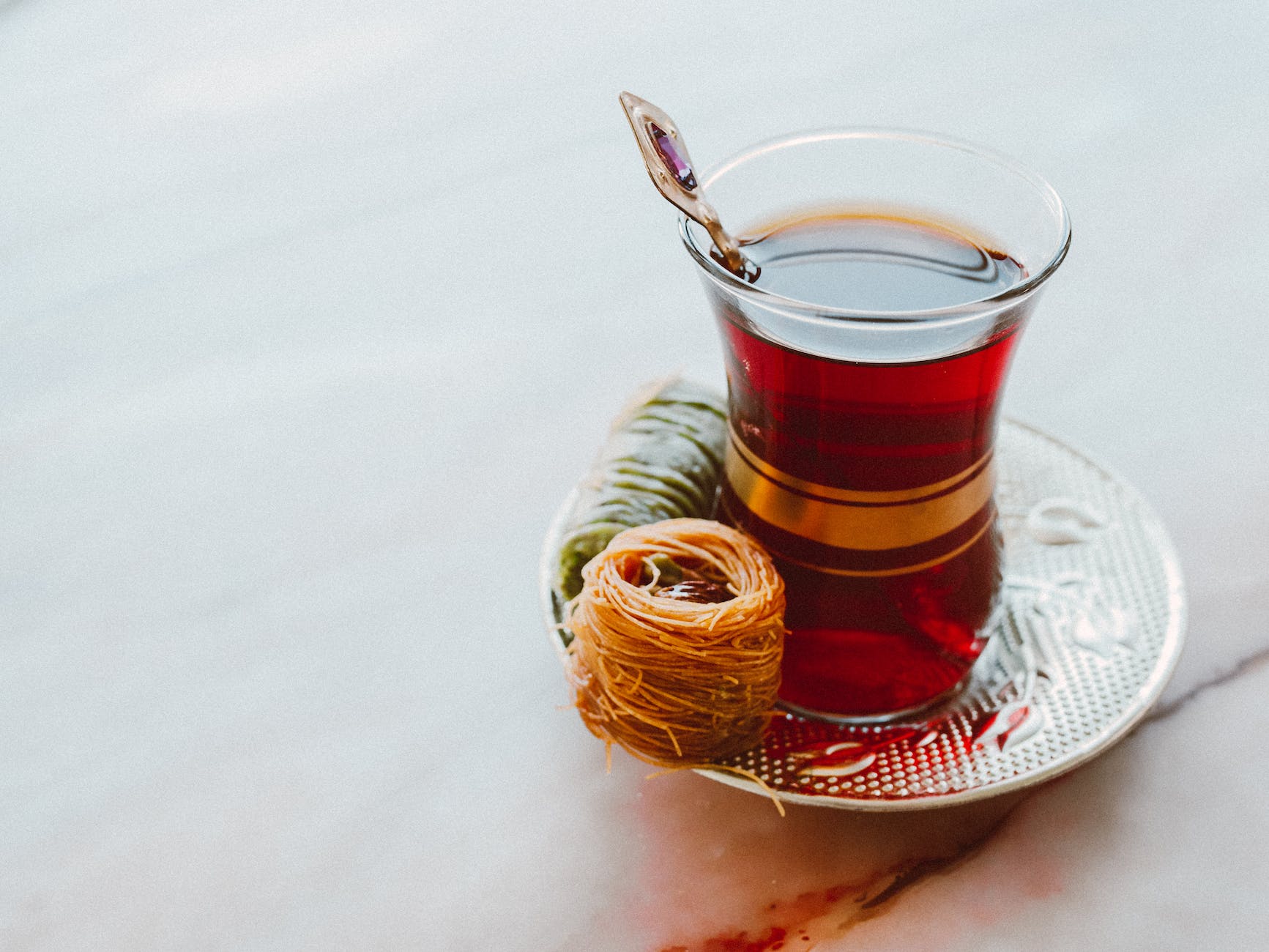
Turkish tea, or “çay,” is prepared in a special double-teapot apparatus. Strong, dark tea is brewed in the bottom pot, while the top pot holds hot water. The tea is poured into small tulip-shaped glasses and can be sweetened to taste with sugar.
Morocco: The Pouring Art of Moroccan Mint Tea
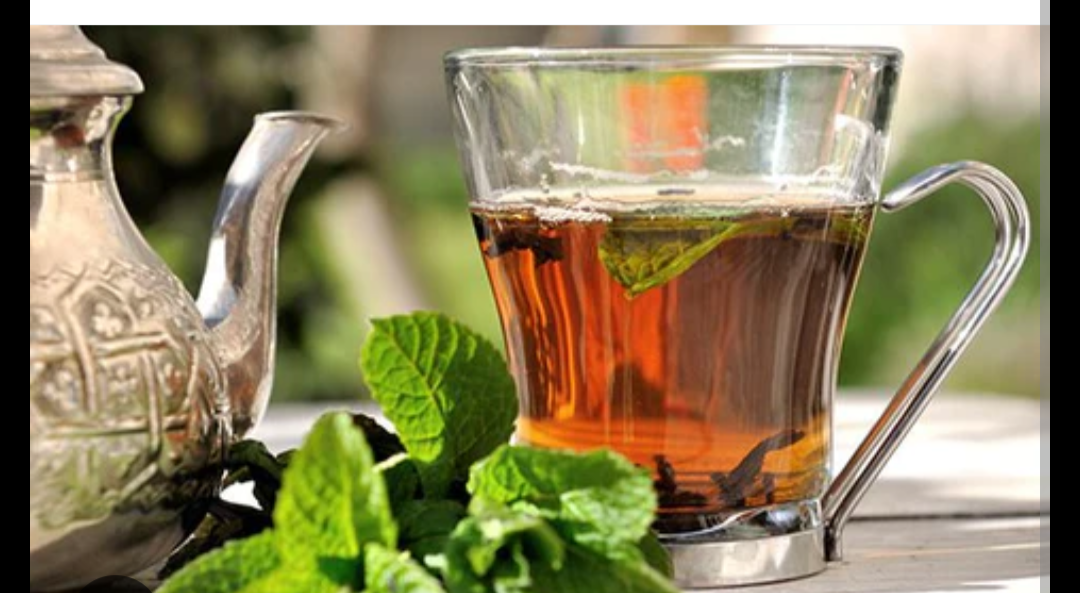
Moroccan mint tea is as much about the pouring as it is about the ingredients. Fresh mint leaves, green tea, sugar, and boiling water come together in a grand display of pouring, creating a beautiful and frothy tea.
Russia: Samovars and Black Tea
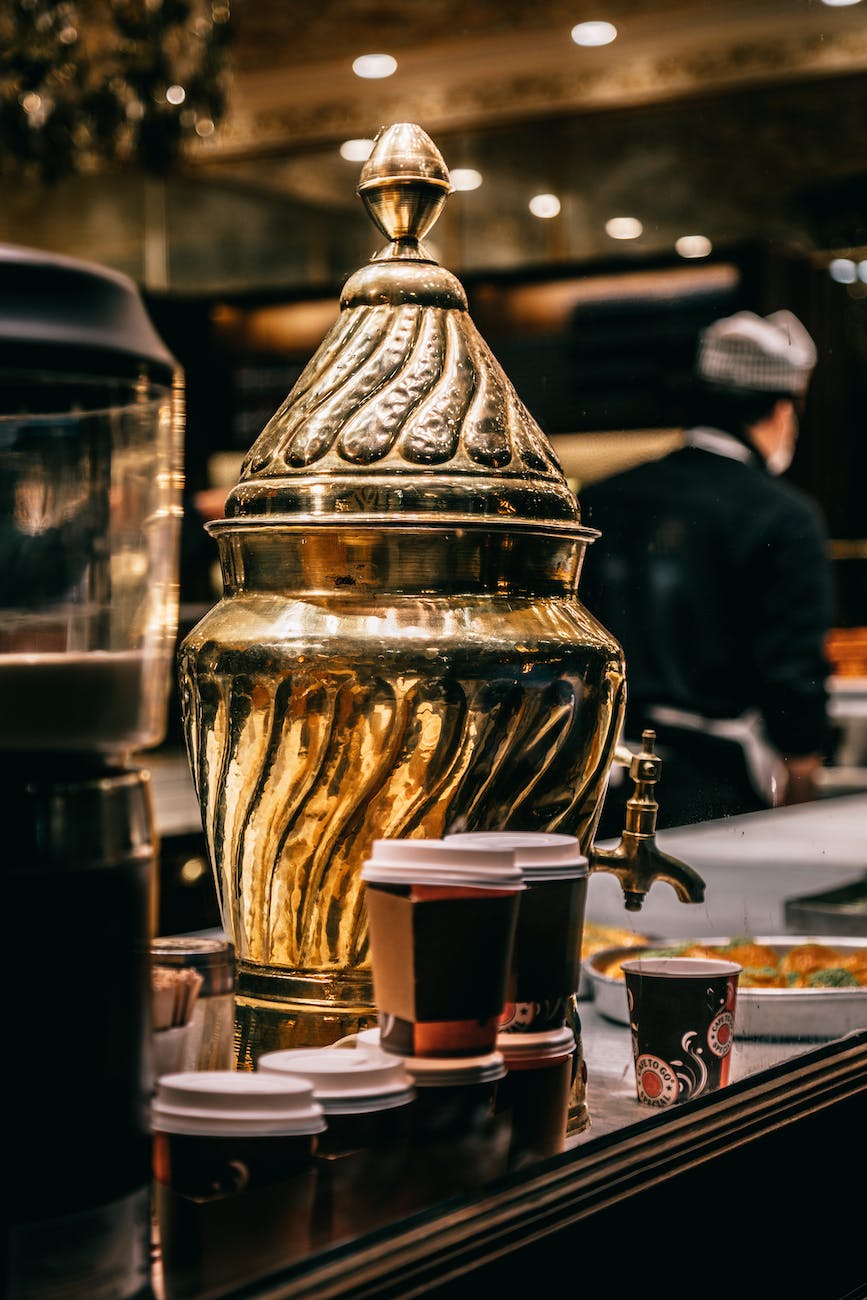
In Russia, the samovar takes center stage. This traditional water boiler keeps the water hot for tea preparation. Russian black tea, often strong and served with lemon, is brewed separately and then diluted to taste with hot water from the samovar.
So, my dear readers, as I finish my cup of chai, I’m reminded that tea is more than just a beverage; it’s a reflection of the rich tapestry of cultures that span our globe. Each cup tells a story, and with every sip, we become a part of that story. So, whether you’re sipping oolong in China, matcha in Japan, or a good old British cuppa, remember that tea brings us together, transcending borders, one delightful brew at a time.
Cheers!

 Light Hearted
Leave a comment