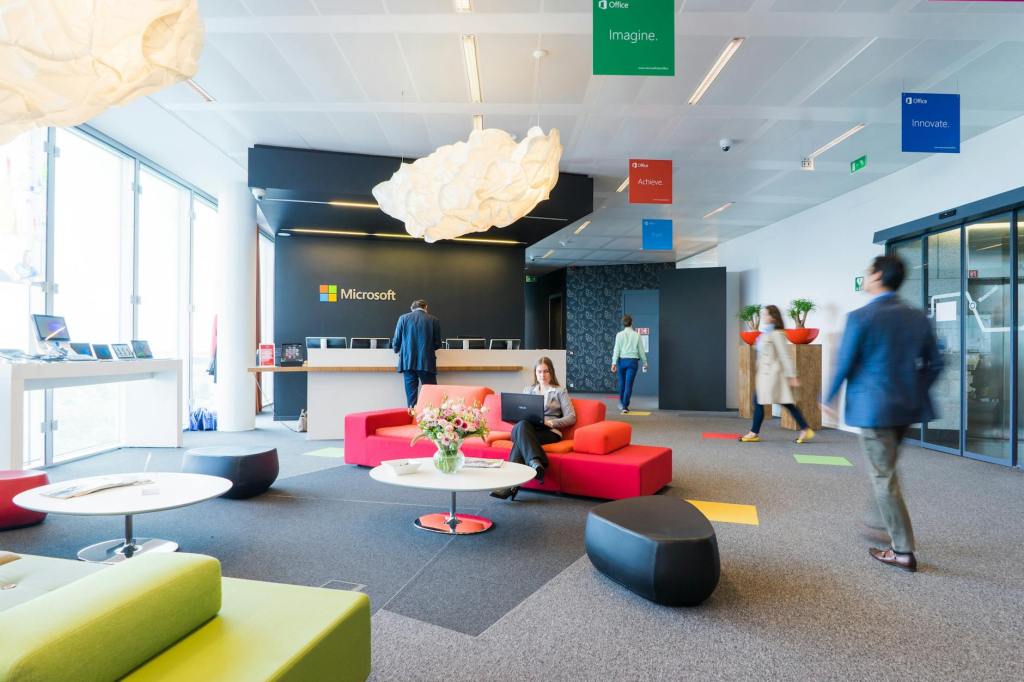
In the ever-evolving landscape of the professional world, the traditional concept of offices is undergoing a remarkable transformation. Over the past three months, I’ve found myself navigating through three different office buildings, each with its own unique design, as my company adapted to the hybrid work model of three days in the office. Little did we anticipate the surge in enthusiasm for returning to the workplace, resulting in a delightful struggle for office space.
Our journey led us to what seems to be our permanent spot, a workspace that embodies the essence of modern office design. Gone are the days of assigned seats and isolated cubicles; instead, we find ourselves in an open, well-lit environment with abundant windows that flood the space with natural light. The ambiance is dynamic, with the hustle and bustle of employees freely moving around, forging connections, and fostering collaboration.
The absence of designated seats is both liberating and adventurous. It’s a daily quest to find that perfect spot, akin to searching for items in a store. This lack of permanence not only keeps the office space fresh but also encourages a sense of adaptability among employees. No more territorial disputes over who sits where; instead, we backpack our essentials and settle in wherever we find a comfortable nook.
One striking feature of this new office landscape is the intentional break from traditional workstations. Desks are equipped with the necessary computer gear, eliminating the need for employees to be tied down to a specific location. This flexible approach not only promotes a sense of freedom but also facilitates spontaneous collaboration. New hires, in particular, benefit from the open communication channels, being able to approach anyone for questions or clarifications without the barriers of closed doors or isolated cubicles.
The unique features of our new working areas are captivating. Walls have become smart boards, eliminating the need for separate whiteboards. The entire workspace, from walls to cabinets, serves as a canvas for collaboration—ideas, concepts, and plans can be sketched, written, and erased on these erasable surfaces. This innovative design not only promotes a paperless environment but also encourages spontaneous creativity.
Amidst this open landscape, huddle rooms stand out as hubs of creativity and collaboration. Equipped with vibrant sofas and large-screen TVs, these rooms resemble airport lounges, creating a relaxed yet productive atmosphere. These spaces facilitate impromptu meetings and brainstorming sessions, fostering a sense of connection and teamwork.
The minimalistic approach to walls creates an airy and dynamic workspace. The absence of physical barriers promotes communication, allowing for easy interaction and collaboration. This open layout, coupled with the erasable walls, contributes to a seamless flow of ideas, making the workspace feel like a canvas waiting to be painted with the brushstrokes of innovation.
Lunchtime has become a vibrant affair, with a sea of employees converging in common areas to share a meal and exchange ideas. The camaraderie built during these informal gatherings spills over into the workday, creating a positive and cohesive work environment.
Of course, this new era of office spaces is not without its challenges. The open floor arrangement, while fostering communication, can sometimes lead to a lack of privacy during calls. It’s a small price to pay, however, for the myriad benefits that the modern office concept brings.
Companies are actively investing in these innovative workspaces, recognizing the positive impact on employee morale, productivity, and overall job satisfaction. The emphasis is not just on providing a physical space for work but creating an atmosphere that encourages interaction, creativity, and well-being.
As we witness this evolution firsthand, it’s clear that the scenery in offices is changing rapidly. The transition from individual offices or cubicles to open, communal spaces reflects a broader shift towards a more dynamic and collaborative work culture. The emphasis on flexibility, adaptability, and shared experiences is reshaping the way we perceive and engage with our work environments.

 Light Hearted
Leave a comment