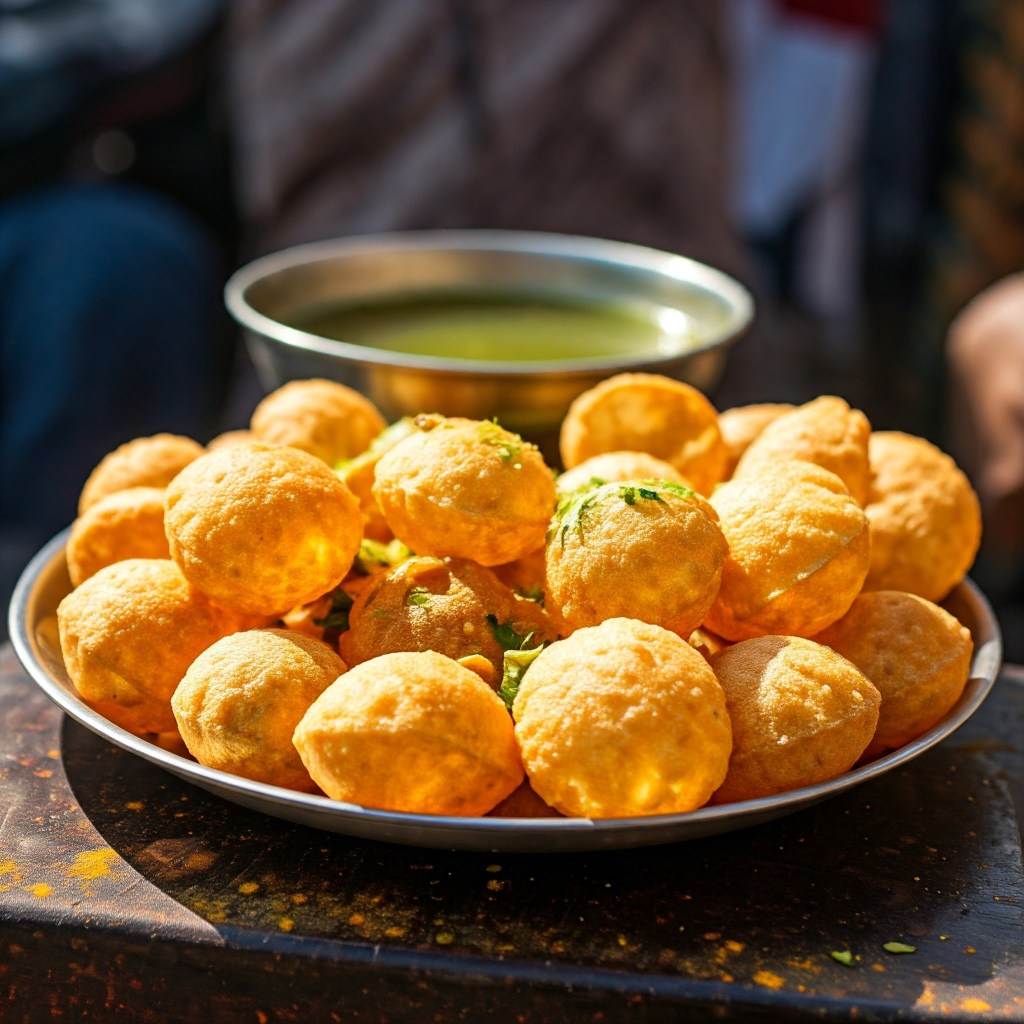
If you’ve ever wandered the streets of India, you’ve probably noticed one universal truth: no crowd, however chaotic, is too much when it comes to waiting in line for Golgappa, also known as Pani Puri. This crunchy, spicy, and tangy snack has been the go-to guilty pleasure for millions, especially ladies who seem to have a special radar for Golgappa vendors. Trust me, they can sniff out that tamarind chutney and pudina (mint) water from miles away.
But here’s the real kicker – Golguppas have officially landed in the USA. That’s right! I thought I’d seen it all until I strolled into Costco last week. As I was wandering the aisles, pondering the American wonders of supersized ketchup bottles and 100-pack paper towels, my eyes landed on… wait for it… a giant box of Pani Puri!
I called over my wife, Vani, like I’d discovered treasure. “Look, it’s our street snack from India! In a box!” And for just $7.50, we got three big boxes, each containing about 40 little golguppas. My wallet almost did a happy dance because, let’s be real – here in the U.S., if you order Golgappas at a restaurant, it’s $10 for 10. Daylight robbery, right? Back home in India, the hawker would serve you an endless stream of them for pocket change, and if you’re bold enough, you can challenge him with your speed-eating prowess.
So, how is Golgappa made?
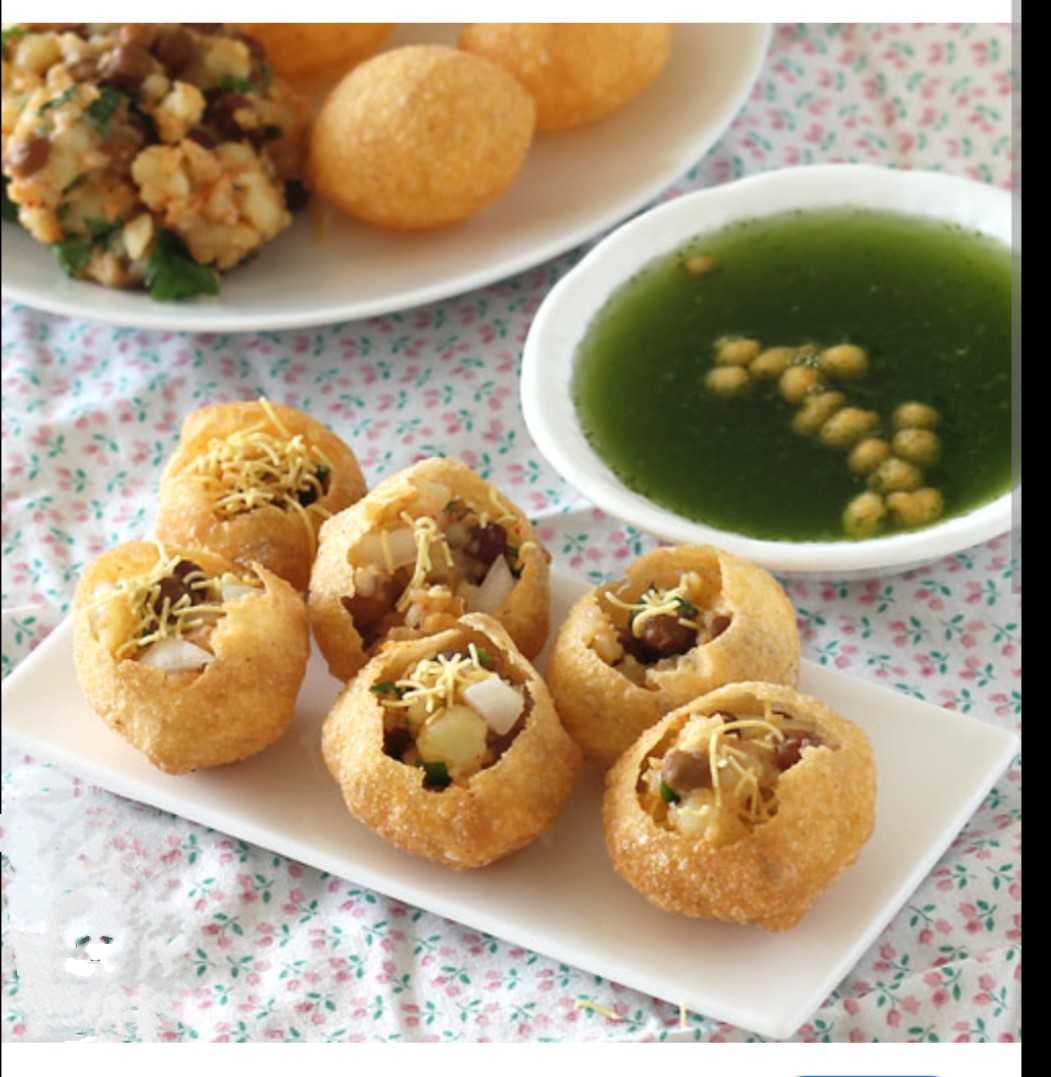
For the uninitiated, this snack is as simple as it is genius. You’ve got these crispy, hollow puris made from semolina or wheat. Then comes the fun part – the stuffing. Typically, it’s boiled potatoes, chickpeas, or spicy sprouts. You take a puri, poke a hole in it, fill it with the stuffing, and then dunk it in two types of flavored water – the tangy tamarind water and the minty-spicy pudina water. What follows is pure bliss, as you pop the whole thing into your mouth and wait for the flavor explosion.
Why is it so popular?
Let me tell you: It’s not just about the taste, though that’s a big part of it. Eating Golgappa is an experience. In India, groups of friends line up around a vendor (usually on a rickety cart), and he serves one puri at a time to each person. No rush, no hurry, just one after another, while you gossip, laugh, and sometimes even sweat from the spicy goodness.

In fact, there’s an art to eating Golgappa. You have to be quick – too slow, and the puri will collapse in your hand, drenching you in spicy water. Too fast, and you’ll miss the burst of flavors. Either way, it’s a social bonding exercise, with a side of competitive speed-eating thrown in. How many Golguppas can you handle before you surrender to the heat? That’s a question every Indian has pondered at some point in life.
Golguppa’s Big American Debut
Now, with Golgappa on Costco shelves, I wonder if America is ready for the madness. So far, Vani and I have been indulging at home, pretending we’re back in India, lining up at a street vendor’s cart. Sure, we have to assemble everything ourselves now, but at least we get to control the spice level, which is a win if you’ve ever accidentally gulped down a little too much pudina water and spent the next few minutes gasping for air.
So if you spot Pani Puri at your local grocery store, don’t hesitate. Grab it. You’re not just buying a snack; you’re buying a piece of Indian street culture. And if you’re lucky, maybe one day you’ll master the art of eating it like a pro – without spilling the spicy water all over your shirt. Because trust me, that’s a rite of passage we’ve all been through.
In the meantime, I’ll be over here, munching away on my Costco haul, reliving the taste of home one puri at a time.
Fun Golgappa Fact: Some legends say that this dish originated during the time of the Mahabharata. It was supposedly created to satisfy the hunger of the Pandavas during their exile. Now, thousands of years later, it’s satisfying the hunger of Costco shoppers in the U.S. – talk about evolution!

 Light Hearted
Leave a comment